
Garden rooms have become an increasingly popular way to create extra space at home, whether that’s for working, relaxing, or entertaining. But one of the most common questions homeowners ask is: can a garden room be attached to the house, or does it have to be separate?
The short answer is yes, a garden room can be attached to your home, but there are a few important things to consider before you decide.
At Rydale Windows, we help homeowners choose solutions that are practical, compliant, and tailored to their lifestyle. Here’s what you need to know.
What Is a Garden Room?
A garden room is a modern, purpose-built structure designed to provide additional usable space, typically with high levels of insulation and large glazed areas. Unlike sheds or summerhouses, garden rooms are intended for regular use and can often be enjoyed all year round.
Garden rooms can be:
Detached from the main property
Semi-attached
Fully attached to the house

Can a Garden Room Be Attached to the House?
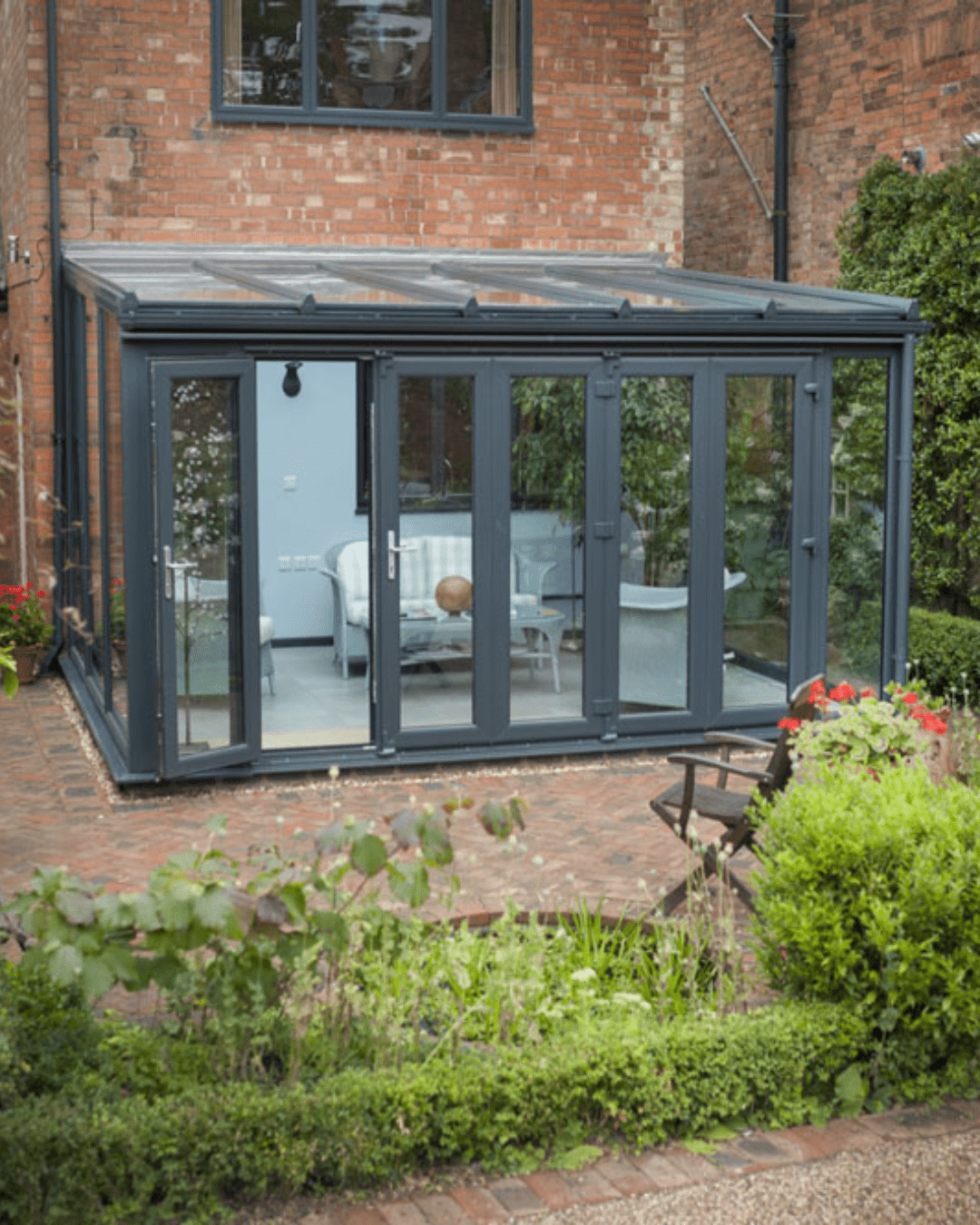
Yes, a garden room can be attached directly to your home, usually at the rear or side of the property. When attached, it becomes more like a hybrid between a traditional extension and an outdoor living space.
However, the way it’s attached and how it’s used will affect planning permission, building regulations, and overall design.
Attached Garden Room vs Detached Garden Room
Attached Garden Room
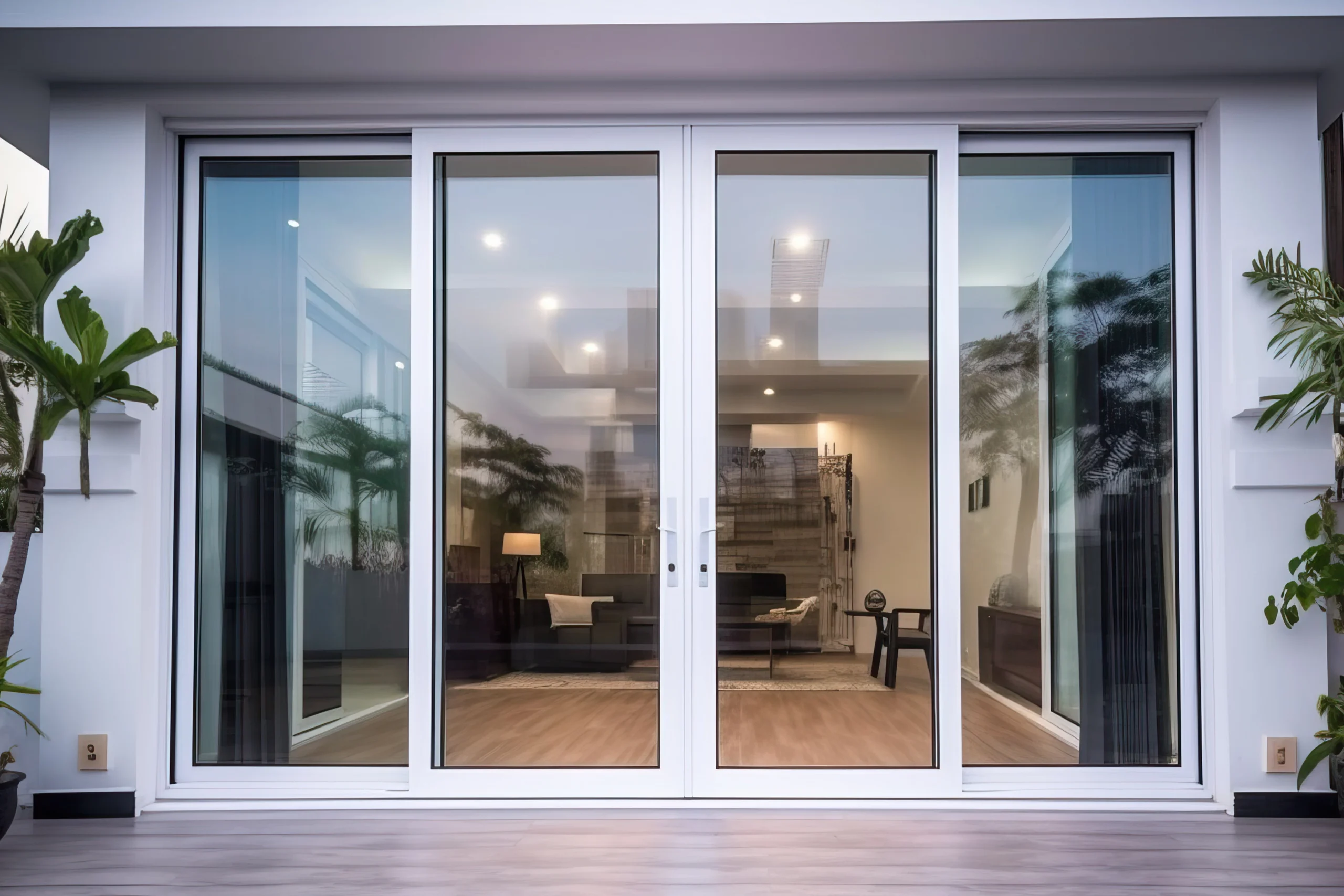
An attached garden room connects directly to the main structure of your home, often via doors or bi-folds.
Benefits:
Seamless access from the house
Feels like a natural extension of your living space
Ideal for dining areas, lounges, or home offices
Better integration with heating and electrics
Things to consider:
More likely to require planning permission
Must comply with building regulations
Structural considerations are more complex
Detached Garden Room
A detached garden room sits separately within your garden.
Benefits:
Often falls under permitted development
Fewer regulatory requirements
Ideal for offices, gyms, or studios
Creates a peaceful separation from the house
Things to consider:
Requires outdoor access
Utilities may need separate connections
Less integration with the main property
Planning Permission: What Do You Need to Know?
Whether planning permission is required depends on:
The size and height of the garden room
Whether it’s attached or detached
Your property type (e.g. listed building or conservation area)
How the space will be used
In many cases, detached garden rooms fall under permitted development, while attached garden rooms are more likely to require planning approval.
It’s always best to check with your local authority before proceeding.
👉 Read our full guide on “Do You Need Planning Permission for a Garden Room?“
Building Regulations and Compliance
If a garden room is attached to the house, it will usually need to comply with building regulations, covering areas such as:
Insulation and energy efficiency
Structural safety
Fire safety and escape routes
Electrical work
At Rydale Windows, we ensure all installations meet the necessary standards, giving you complete peace of mind.
Is an Attached Garden Room Right for You?
An attached garden room may be ideal if you:
Want extra living space without a full extension
Prefer direct access from the house
Plan to use the room regularly throughout the year
Want a modern alternative to a conservatory
If you’re looking for flexibility with fewer restrictions, a detached option may be better suited.
Talk to Rydale Windows
Every home is different, and the right solution depends on your space, usage, and budget. At Rydale Windows, we offer expert advice on garden rooms, glazing, and outdoor living solutions designed to enhance your home.
📞 Call Rydale Windows today
💬 Or get in touch online to book your free no-obligation quote.
Rydale Windows – Combining quality, security, and style for homes across the West Midlands.