
A UK Guide
Orangeries are a popular way to add light, space, and style to your home. They combine the elegance of a traditional conservatory with more solid brickwork and structural features, making them a versatile option for modern living. But before you start planning your dream orangery, one question often arises: Do you need planning permission?
This guide explains when planning permission is required in the UK, what counts as permitted development, and how to ensure your orangery complies with regulations.
What is an Orangery?
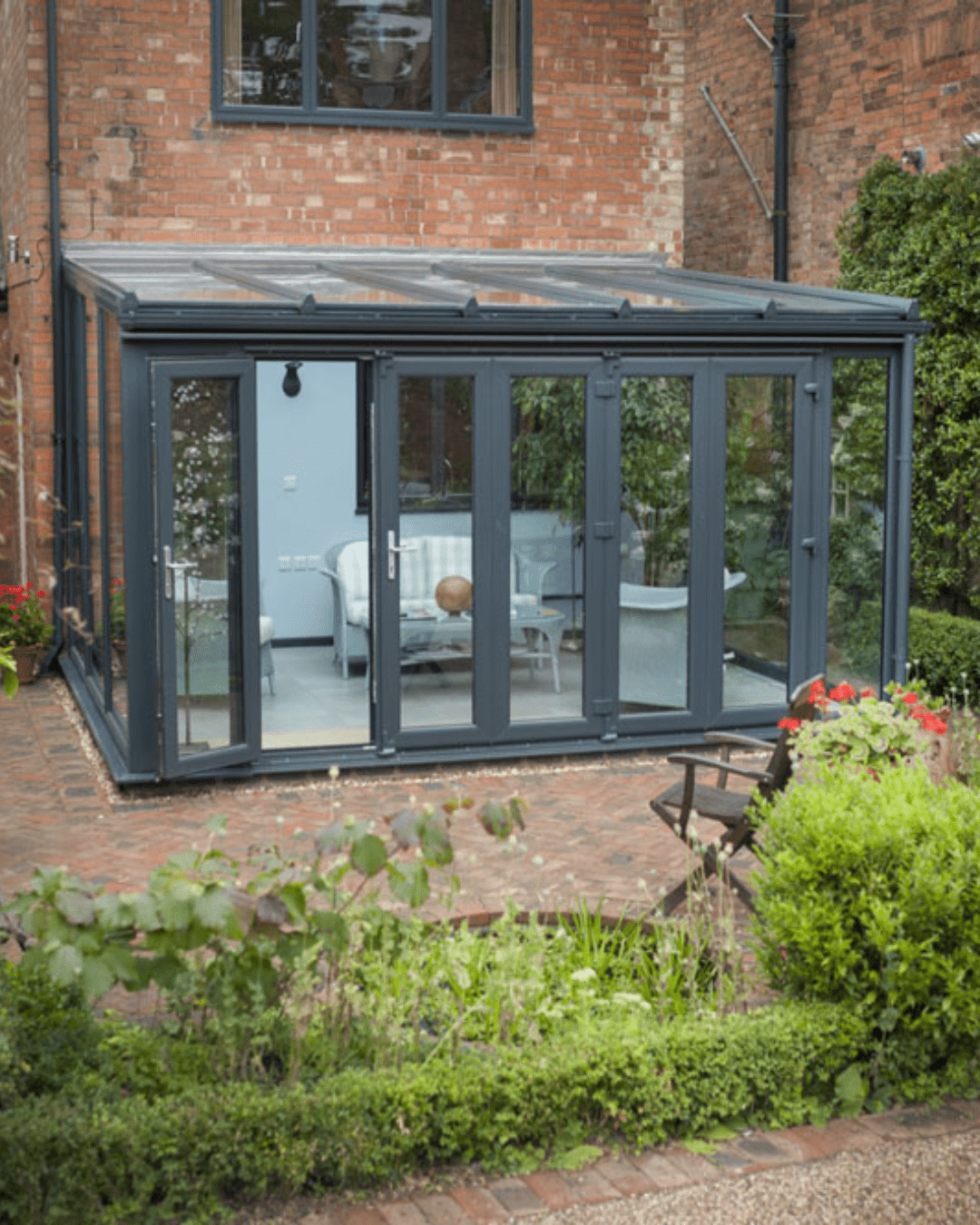
An orangery is a type of home extension that typically features:
-
Brick or stone walls with large windows
-
A flat or slightly pitched roof, often with a central lantern or glazed roof section
-
Greater insulation and structural stability compared to a standard conservatory
-
Stylish, often more formal design elements
Because orangeries are larger and more substantial than standard conservatories, it’s important to check planning rules before building.


When Planning Permission May Not Be Required
In many cases, an orangery can be built under permitted development rights, which means you don’t need to submit a formal planning application. Key conditions include:
-
Single-Storey Limit
-
The orangery must be single-storey.
-
Maximum height: 4 metres for dual-pitched roofs, 3 metres for flat or mono-pitched roofs at the rear.
-
-
Rear Extension Limits
-
Detached houses: max 8 metres from the rear wall.
-
Semi-detached / terraced houses: max 6 metres from the rear wall.
-
Only one rear extension is allowed in the last 4 metres if the house is terraced or semi-detached.
-
-
Proportion of Land
-
All extensions, including porches, outbuildings, and other additions, must not cover more than 50% of the land around the original house.
-
-
Forward of the Principal Elevation
-
The orangery cannot be built in front of the principal elevation (the main front wall of the house).
-
-
Roof Design
-
Roofs must be appropriate in height and design.
-
Rooflights must not protrude more than 150mm above the plane of the roof.
-
-
Materials
-
Must be similar in appearance to the existing house.
-
-
Side Extensions
-
Side extensions generally have stricter limits:
-
Max 4 metres in height
-
Max 50% of the width of the original house
-
Not permitted if forward of the principal elevation or side boundary in some cases.
-
-
-
Listed Buildings & Conservation Areas
-
Special rules apply. Permitted development rights may be removed, so planning permission is usually required.
-
-
Overlooking / Privacy
-
Windows or rooflights that overlook a neighbour’s property may trigger planning requirements to protect privacy.
-
-
Multiple Storeys
-
Any orangery that is more than one storey will almost always require full planning permission.
-
If your planned orangery meets all these criteria, you may not need planning permission – but it’s still wise to inform your local council.
When Planning Permission is Required
You will likely need planning permission if your orangery:
-
Exceeds the size or height limits outlined above
-
Is built to the front of your property
-
Is in a restricted area, such as a conservation area, listed building, or national park
-
Does not meet permitted development conditions, e.g., impacts neighbouring properties, uses non-matching materials, or includes multiple storeys
Even if planning permission is not legally required, some homeowners choose to submit a planning application for peace of mind or to avoid potential disputes with neighbours.
Building Regulations vs Planning Permission
It’s important to note that planning permission is different from building regulations approval.
-
Planning permission governs the external appearance, size, and location of your orangery.
-
Building regulations cover structural safety, insulation, drainage, and ventilation.
Even if your orangery qualifies as permitted development, you still must comply with building regulations. This ensures your orangery is safe, energy-efficient, and habitable year-round.
Tips for a Smooth Planning Process
-
Check Permitted Development Rights
Your local council’s planning portal provides guidance on what you can build without formal permission. -
Consult a Professional Installer
Experienced companies like Rydale Windows can advise on design, compliance, and whether a planning application may be recommended. -
Notify Neighbours
If your orangery could affect neighbouring properties, it’s courteous to inform them in advance. -
Keep Documentation
Retain drawings, planning confirmations, and building regulation approvals to avoid issues if you sell your home in the future.
Trust Rydale Windows With Your Orangery Project
Whether you need planning permission for an orangery depends on its size, location, design, and your property’s status. Many orangeries can be built under permitted development rights, but it’s always best to check with your local council or consult a professional before starting construction.
At Rydale Windows, we can guide you through the process, advise on compliance, and provide professional installation to create a stylish, functional orangery that meets all regulations.
Thinking About Building an Orangery?
Contact us today to discuss your design and planning options, and ensure your project runs smoothly from start to finish.