
Which is Right for Your Home?
When considering an extension to enhance your living space, two popular options are orangeries and conservatories. Both provide additional natural light and a stylish way to connect your home with your garden, but they differ in design, structure, and functionality. Understanding these differences can help you make the best choice for your home.
What is a Conservatory?
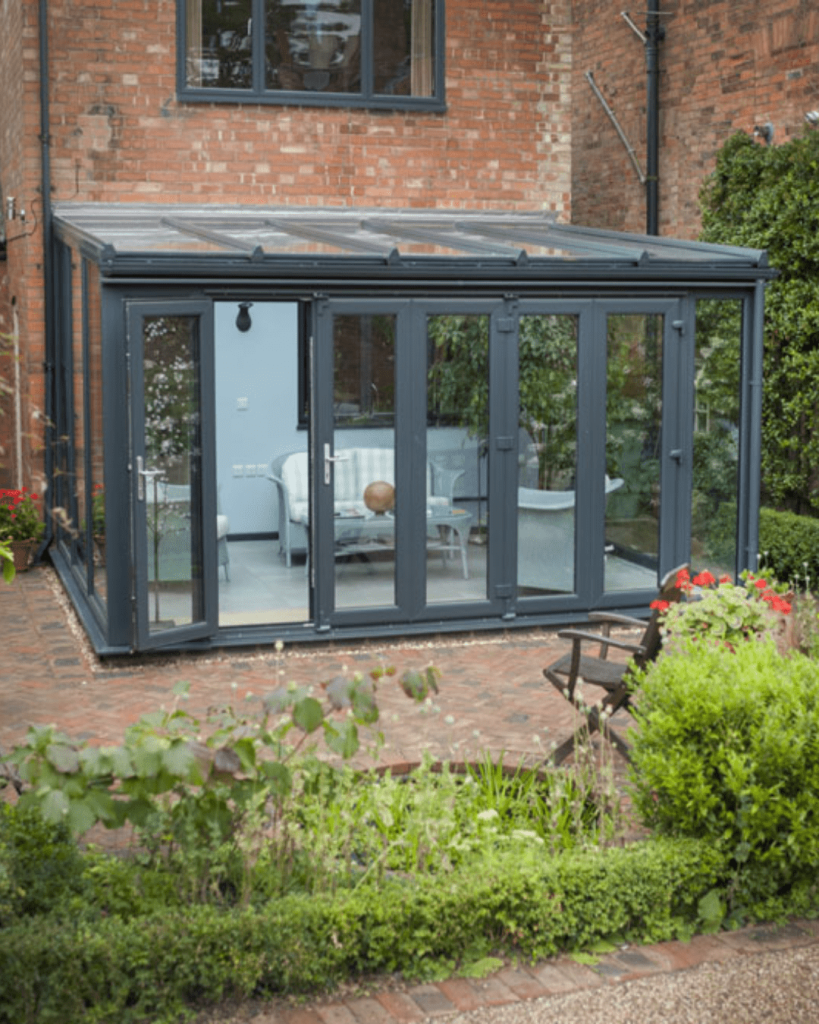
A conservatory is a fully glazed structure typically made with a uPVC, timber, or aluminium frame and a glass or polycarbonate roof. Designed to maximise natural light, conservatories provide a bright and airy space ideal for relaxation, entertaining, or even as a home office.
Key Features of a Conservatory:
-
High Glass Content: The walls and roof are predominantly made of glass, allowing ample natural light to flood the space.
-
Lightweight Structure: Typically built with a simple frame and glass panels, making it cost-effective.
-
Versatility: Can be used as a sunroom, dining area, or lounge space.
-
Temperature Sensitivity: May require additional insulation or heating to maintain comfortable temperatures year-round.
What is an Orangery?
An orangery is a more substantial extension with a solid brick or stone structure combined with large windows and a partially glazed roof. Originally designed for growing citrus trees in grand estates, modern orangeries blend the light and openness of a conservatory with the insulation and permanence of a traditional extension.
Key Features of an Orangery:
-
Brick or Stone Walls: Provides better insulation and a more integrated feel with the rest of the house.
-
Roof Lantern or Partially Glazed Roof: Allows natural light while maintaining insulation.
-
More Permanent Feel: Often designed to seamlessly extend your home, making it feel like a natural addition.
-
Suitable for Year-Round Use: Due to better insulation, orangeries remain comfortable in all seasons.
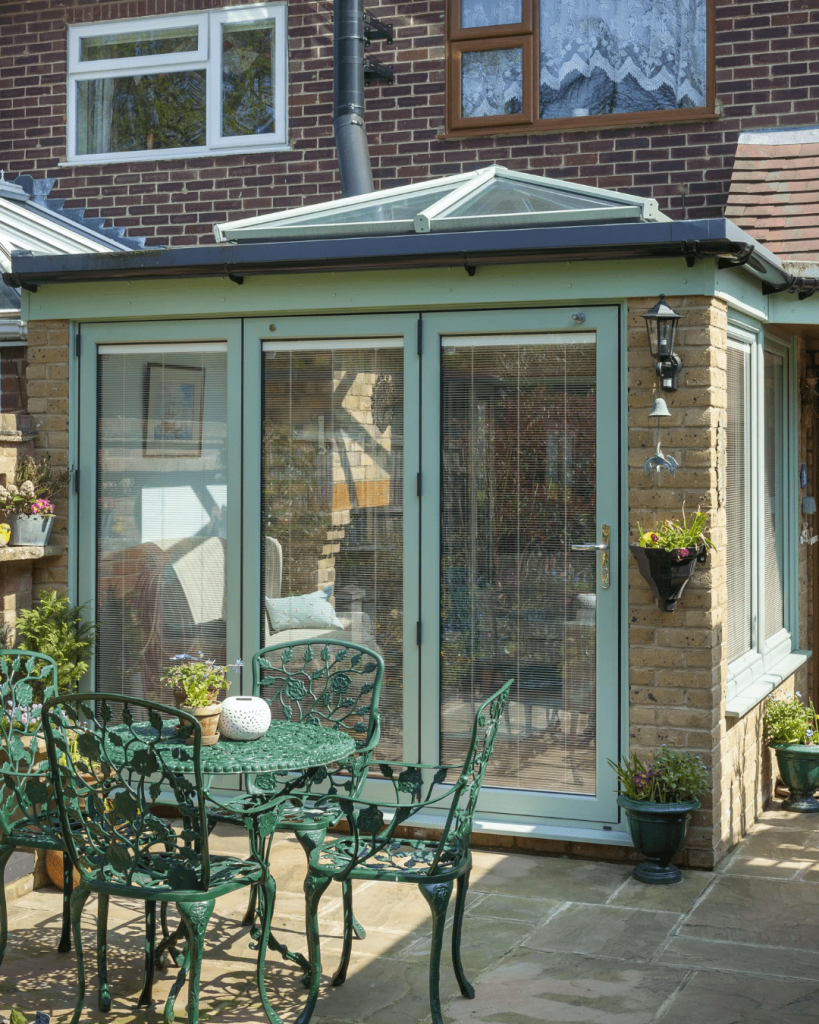
Main Differences Between a Conservatory and an Orangery
| Feature | Conservatory | Orangery |
|---|---|---|
| Structure | Mostly glass with a lightweight frame | Brick or stone walls with a partially glazed roof |
| Insulation | Less insulated, temperature fluctuates | Better insulation, suitable for all seasons |
| Roof Design | Fully glazed | Solid roof with a roof lantern or partial glazing |
| Cost | More affordable | Typically more expensive due to materials and construction |
| Aesthetic | Modern and airy | Elegant and integrated with the home |
| Planning Permission | Usually not required if it meets permitted development rules | May require planning permission depending on size and structure |
Which One Should You Choose?
-
Choose a Conservatory if: You want a cost-effective way to enjoy more natural light and garden views, and you’re looking for a bright, open space without extensive construction work.
-
Choose an Orangery if: You prefer a more solid, insulated structure that feels like a permanent extension of your home and can be used comfortably all year round.
Both orangeries and conservatories offer fantastic ways to enhance your home’s living space, each with its own advantages. If you’re unsure which is right for you, the team at Rydale Windows can help you find the perfect solution.
Contact us today for expert advice and high-quality home extensions!