
Double glazing is widely known for helping to keep homes warm during the colder months, but what happens when temperatures rise? Does double glazing keep heat out, or can your home still become uncomfortably warm during summer?
The short answer is that double glazing can help reduce heat transfer, but it does not completely prevent heat from entering your home. The type of glass, window orientation, ventilation and use of shading can all affect how much heat enters your property.
Understanding how double glazing works can help you make the most of your windows throughout the year.
How Does Double Glazing Work?
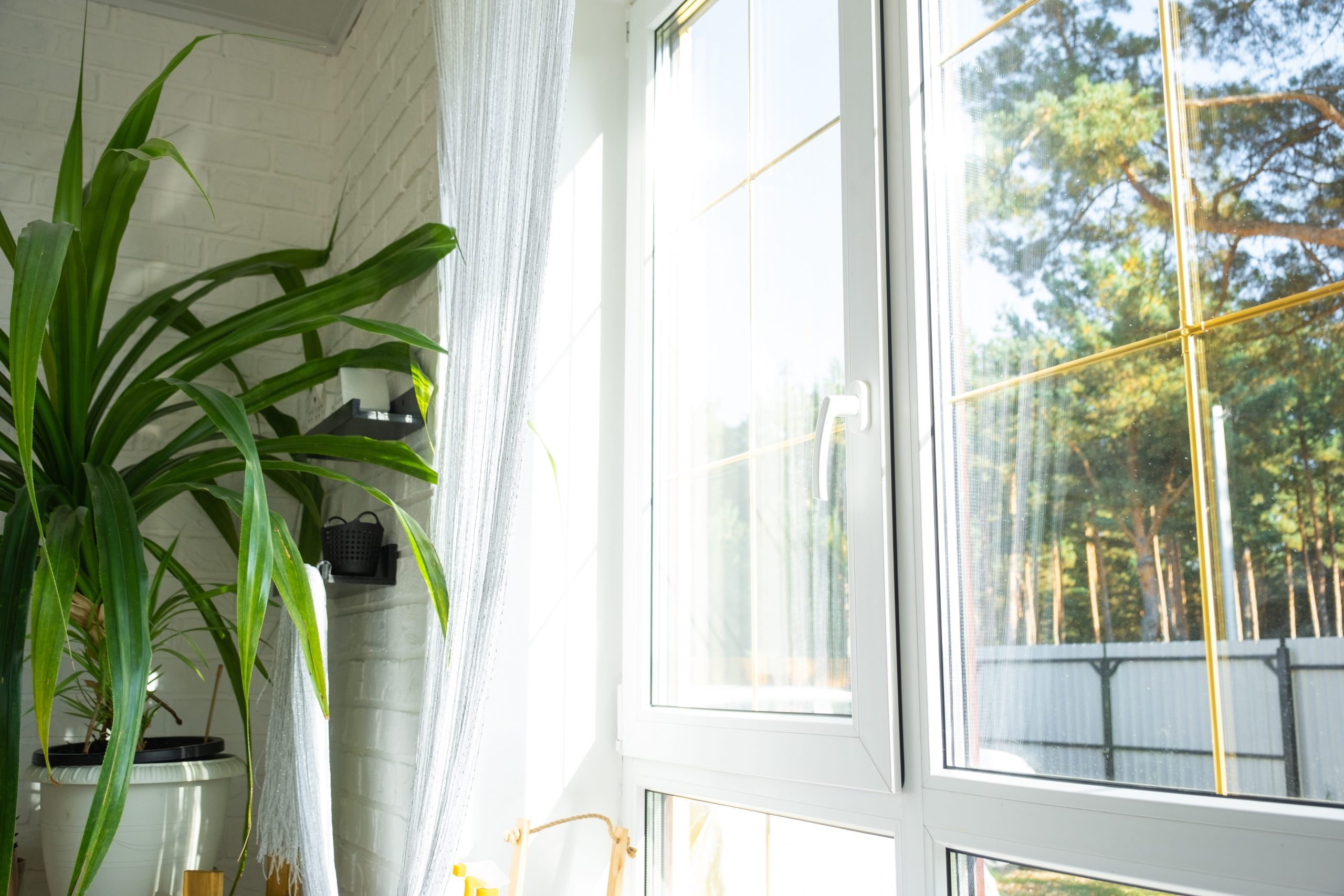
A double-glazed window consists of two panes of glass separated by a sealed gap. This gap is typically filled with air or an insulating gas, helping to reduce the movement of heat between the inside and outside of your home.
In winter, this helps reduce the amount of heat escaping from your property. In summer, the same insulating properties can slow down the transfer of heat from outside to inside.
However, double glazing is not designed to completely block sunlight or solar heat. If sunlight shines directly through your windows, some of that energy can still enter your home.

Does Double Glazing Keep Heat Out in Summer?
Double glazing can help reduce heat entering your home during summer, but it won’t completely stop your rooms from heating up.
When the outside temperature is high, double glazing reduces the rate at which heat passes through the glass. This can help your home stay cooler for longer compared with older single glazing.
However, direct sunlight can still cause rooms to become warm. Large windows that receive strong sunlight for several hours can allow significant solar heat gain, particularly during the hottest part of the day.
For this reason, the performance of your windows is only one part of keeping your home comfortable during warmer weather.
Can Double Glazing Make a Home Too Hot?
Double glazing itself does not necessarily make a home too hot. In fact, its insulating properties can help regulate indoor temperatures.
However, modern homes can sometimes experience overheating because they are well insulated and airtight. If there is significant solar gain and limited ventilation, heat can build up inside the property.
This is particularly noticeable in rooms with:
- Large areas of glazing
- South-facing or west-facing windows
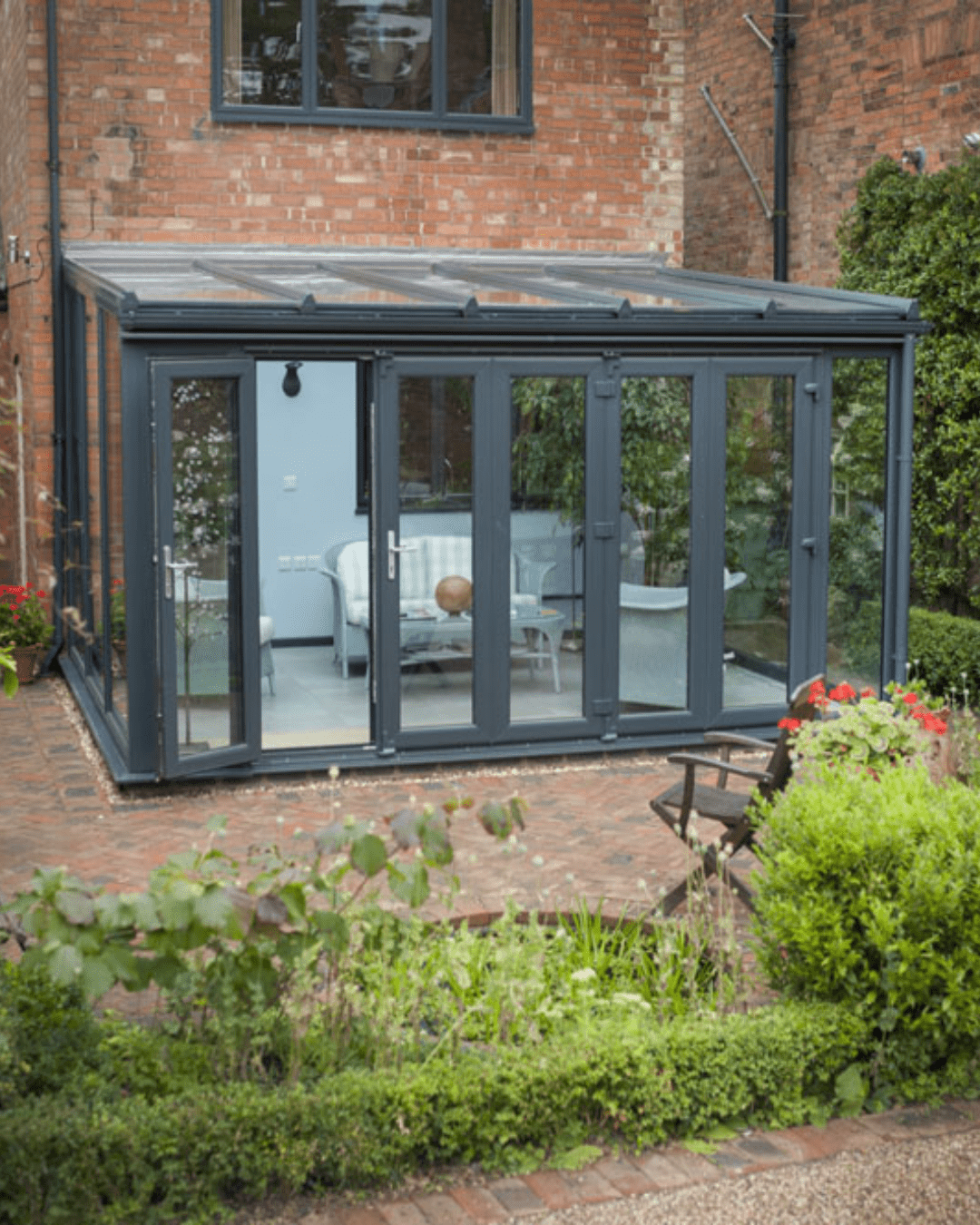
- Conservatories and glazed extensions
- Roof windows or skylights
- Limited ventilation
- Little external or internal shading
The good news is that there are several ways to reduce unwanted heat gain.
How Can You Stop Your Home Getting Too Hot?
Use Blinds or Curtains
Closing blinds or curtains during the hottest parts of the day can reduce the amount of direct sunlight entering your rooms.
For the best results, consider closing them before the room becomes hot rather than waiting until temperatures have already risen.
Improve Ventilation
Opening windows can help release warm air and bring cooler air into your home, particularly during the evening and early morning when outdoor temperatures are lower.
Modern windows can also offer different opening configurations to help improve ventilation while maintaining security.
Consider Solar Control Glass
If overheating is a particular concern, solar control glass may be worth considering.
Solar control glazing is designed to reduce the amount of solar energy entering through a window while still allowing natural daylight into your home. This can be particularly useful for large windows, glazed extensions and rooms that receive substantial amounts of direct sunlight.
When replacing or upgrading your windows, speak to a glazing specialist about whether solar control glass could be suitable for your property.
Use External Shading
External blinds, awnings and other shading solutions can help prevent sunlight from reaching the glass in the first place.
This can be particularly effective because the solar energy is reduced before it passes through the window.
Does Double Glazing Keep Heat In During Winter?
Yes. One of the main benefits of double glazing is its ability to reduce heat loss during colder weather.
The two panes of glass and insulating gap create a barrier between your home’s interior and the outside environment. This helps reduce heat escaping through your windows, meaning your heating system does not have to work as hard to maintain a comfortable indoor temperature.
Modern double glazing can therefore provide benefits throughout the year:
- Winter: Helps reduce heat loss.
- Spring and autumn: Helps maintain a more consistent indoor temperature.
- Summer: Helps slow the transfer of external heat into your home.
The result is a more thermally efficient home across different seasons.

Is Double Glazing Better Than Single Glazing for Summer?
Double glazing generally provides better insulation than traditional single glazing. With only one pane of glass, there is less of a barrier between your home and the outside temperature.
However, the amount of heat entering through a window depends on more than whether it is single or double glazed. Factors such as glass specification, window size, orientation and shading all play a role.
If overheating is a concern, upgrading to modern double glazing with appropriate glass specifications can be part of a wider strategy to improve your home’s thermal comfort.
What Type of Glass Is Best for Reducing Heat?
There isn’t one glazing specification that is perfect for every property.
If your priority is reducing unwanted solar heat, solar control glazing can be an option worth discussing. Low-emissivity (low-E) glass can also improve thermal performance by helping to reduce heat transfer.
The best specification will depend on your property, the direction your windows face, the size of the glazed areas and how much sunlight they receive.
A professional window installer can assess your requirements and recommend an appropriate glazing solution.
Does Double Glazing Help Keep a Home Cool?
Double glazing can contribute to a cooler and more comfortable home during summer by slowing heat transfer. However, it should not be viewed as an air-conditioning replacement or a complete solution for overheating.
For the best results, combine well-performing windows with effective ventilation, shading and sensible use of blinds or curtains.
If you’re considering replacing older windows, upgrading your glazing can also provide benefits beyond summer comfort, including improved insulation, security and noise reduction.
Upgrade Your Windows with Rydale Windows
Whether you’re looking to improve your home’s thermal performance or replace outdated windows, choosing the right glazing specification can make a significant difference.
At Rydale Windows, we supply and install high-quality windows designed to provide excellent performance throughout the year. Our team can help you explore your glazing options and find a solution suited to your property.
Thinking about upgrading your windows? Contact Rydale Windows today to discuss your requirements and request a quote.